
Guest blog by Chris Rhodes
I have been working directly with SOM as Treasurer since last summer, though had almost a year before to join meetings as an observer, which made the introduction a little gentler. I have worked in occupational health (OH) for 30 years now and have been fortunate to be exposed to a wide range of clients, requirements, services and hazards. Like many colleagues, I have a very naturally inquisitive mind and truly believe OH is a discipline that feeds this well, and love that the working week never quite looks at the end of the week like I expected at the outset.
I was keen to become more involved with SOM, as I already have good oversight and visibility within my role as Chief Nursing Officer at Health Partners, but was mindful there is an entire world outside of our organisation that presents a range of views and challenges. It is a real privilege to be a part of this and have access to so many OH clinicians with such a range of jobs, backgrounds and skills.
We had a SOM scoping meeting in January to kickstart discussions around safeguarding. It was a small group of mixed health professionals who each bring a different perspective and approach. It would be great to progress this to a point where we provide some useful guidance for SOM members that not only improves safety, but also provides some consistency, shared understanding and standards.
Even the term ‘safeguarding’ is not used consistently within OH. Whilst there is a broad shared understanding of safeguarding as a professional responsibility, there seems less agreement about its scope, particularly in areas such as responding to mental health crises and suicidal ideation. Although these issues are not technically safeguarding in a strict sense, they are often framed as such when ‘safeguarding’ is used as an umbrella term. More recently, we have included the PREVENT training to recognise and report concerns about radicalisation as part of this.
In my previous role at Fit for Work, I was challenged by some of the team at the time as to why they needed to complete level 2 safeguarding training for children in addition to vulnerable adults when we assess only adults. I didn’t really have to wait long to illustrate this when one of our first users of the service was a new mother of twins who shared that she kept standing on the kerbside of a busy road and was becoming increasingly compelled to push the pram in front of a bus so that 'it could all be over'. We know these rare but critical moments create real turning points for us to improve and save lives, and are part of what helps us all maintain the love of our work.
Though safeguarding is safeguarding whatever the discipline or setting – I think that OH can provide a wide range of challenges, that will rarely have been predicted by the information on the referral. We need to ensure clinicians are trained with basic skills and supported with clear escalation routes, so they never feel the need to make a decision that they are not comfortable with. We always need to be able to ‘stop the clock’ on the assessment too, and divert the assessment time to address the safeguarding concerns where these are significant or complex. Though the existing training for safeguarding is varied and covers the main aspects and relevant legislation, I would also love to see accredited safeguarding training that is clearly specific to OH professionals using scenarios and challenges that might commonly be encountered as a routine part of assessment. There must be enough of us that would benefit from this.
I believe it is good too to have some organisational oversight and accountability of all cases where safeguarding is a requirement. This could be the formation of a safeguarding board in larger organisations. We know that things will not always go well, and have to be prepared to learn both individually and collectively where this is the case. To have any value from a board or safeguarding group – there also has to be an effective way of tracking all cases where there is a requirement for advice or escalation, particularly the cases with more complexity where Multi Agency Safeguarding Hub (MASH) referrals have been necessary.
When we look at serious case reviews of the well-known incidences where repeated failures in safeguarding lead to horrendous abuse and deaths of children that should have been preventable, it reminds us of the importance of recognising our role as part of a wider multi-disciplinary team who may have a piece of information that potentially provides a missing ‘jigsaw’ piece that could help others providing care to have a more accurate picture. See NSPCC library catalogue.
We need to progress internal discussions and use all expertise available to us to discuss complex or sensitive safeguarding issues, but not shy away from involving the relevant parties where we have genuine concern.
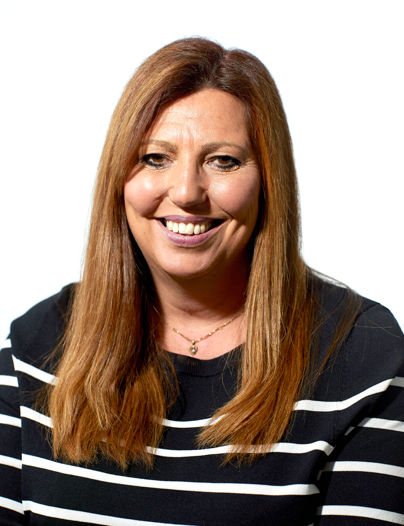 Chris Rhodes is Chief Nursing Officer at Health Partners.