
Guest blog by Liz Eades, BSc (Hons) RGN SCPHN (OH) CMIOSH
When I began my nurse training in 1974, I had no long-term career plans. Nursing for me was something I wanted to do, I guess a calling.
I enjoyed the fast pace of A&E but then took my first occupational health (OH) job, in retail, Debenhams, Oxford Street. The world of OH was very different then. The service was treatment based; however, I loved the idea of being involved with a working and (mostly) well population, understanding how work affects health and health affects work. I had found my career and am still doing it!
My nurse training at the time equipped me for my OH career. OH nurses often work alone and in a non-medical setting, so they need to be resourceful and pragmatic. They need confidence and the ability to speak out, whilst using a strong evidence base for their practice.
I have had a number of jobs in OH: retail, call centres, and the NHS. I began my OH specialist qualification under the tutorage of Anne Harriss at the RCN Advanced Institute; my dear Dad funded my first modules. My climb up the career ladder began in industry working for an electricity company, rising to become OH manager of the networks section. Developing a service whilst working in a safety critical environment, I took a very keen interest in health and safety becoming a chartered member of IOSH.
In 2007 I took up the role of Head of Occupational Health (OH) at Surrey Police, a new clinical role which developed from scratch. I faced daily professional challenges, however, I realised that OH in policing was a critical clinical service and that an effective OH service directly influenced the delivery of operational policing and public safety.
Policing has a particular set of challenges when it comes to managing health and safety due to the nature of operational police work. Police officers are governed by regulation as they are not employees but servants of the crown. Police have to respond to dangerous situations not of their doing, having to make complex and fast-paced decisions. Employers’ obligations to protect their workforce is recognised as more complex by the HSE. OH has to respond to this, by initially gaining a deep understanding of the force, its health profile/needs, and be able to articulate how the OH service can add value right to the front line. OH must be able to demonstrate that the service can enhance the performance of the organisation as well as ensure that there is compliance with the regulations that govern police services. It takes persistence to get a chief constable to understand and engage with OH amongst many other competing priorities and I reiterated this regularly with every new chief.
In 2018 I was invited to join the College of Policing and the National Wellbeing Service to lead a new OH standards and practice workstream developing national OH standards and creating a national practitioner network. I now work alongside the Chief Medical Officer for Policing supporting reform in police OH.
My main focus continues to be supporting my OH colleagues working in the 43+ police forces of England, Wales and beyond to deliver quality and consistent services to their forces and to strive for continuous improvement in OH services. I was delighted earlier this year to achieve a career long ambition writing a chapter about OH in policing for a new book “Wellbeing in Policing” (2026, edited by Ian Hesketh) which has just been published.
My passion for my chosen career has not waned, although sometimes progress can feel slow, change can happen! I hope to leave a legacy of commitment, pride and determination for best practice in occupational health.
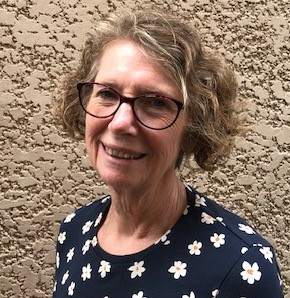 Elisabeth (Liz) Eades, BSc (Hons) RGN SCPHN (OH) CMIOSH is Occupational Health Standards and Practice Delivery Workstream Lead at the National Police Wellbeing Service.