
Guest blog by Ella Checkett, Occupational Health Lead
If you'd asked me a few years ago whether I'd ever leave frontline ambulance work, I'd have laughed. After seven years working frontline with the ambulance service, occupational health (OH) was not even on my radar. I assumed it was about sickness absence and fitness-for-work reports. I could not have been more wrong. Leaving the ambulance service was not about falling out of love with paramedicine. It was about recognising that healthcare extends far beyond responding to emergencies. By the time I left frontline practice, the role of the paramedic had already evolved significantly. One of the biggest misconceptions is that paramedics only deal with emergencies. A significant part of the role now involves preventing unnecessary hospital admissions, supporting self-management, promoting healthier behaviours, and helping patients access the right services. We assess risk, consider the wider factors affecting a person's health and work with them to find safe, practical solutions.
Looking back, those conversations about prevention, behaviour change and empowering people to take control of their own health prepared me for OH more than I ever realised.
A different way of caring
OH is not about replacing clinical care, it is about preventing the need for it. Today, instead of responding to people at one of the worst moments of their lives, I work to keep people healthy enough to continue doing the jobs that matter to them. Whether that is improving health surveillance, promoting wellbeing, supporting workers with long-term health conditions, or influencing organisational health strategies, the goal is the same: improving health outcomes.
The clinical skills I developed as a paramedic have not disappeared. I still assess risk, build rapport quickly, make evidence-based decisions and help people understand their options. The difference is that I now have the opportunity to intervene much earlier.
More than an office job
Before joining OH, I imagined a desk-based role dominated by reports and paperwork. Instead, I found myself walking some of the UK's largest construction projects, speaking with workers and managers, supporting health surveillance programmes, analysing health trends, and working alongside safety professionals to influence how organisations approach health and wellbeing.
Coming from an ambulance background, construction was completely new to me. I learnt that OH encompasses much more than individual clinical assessments. While these assessments remain fundamental to effective employee care, OH also plays a key role in anticipating workplace hazards, preventing occupational disease, and promoting long-term workforce health.
Working within construction has shown me the value of collaboration. Good OH is not delivered in isolation; it relies on strong relationships with operational teams, health and safety professionals, managers and, most importantly, the workforce itself. Seeing organisations place health alongside safety has been one of the most rewarding aspects of my new career.
OH is proactive, varied, and influential, and far more dynamic than I ever expected.
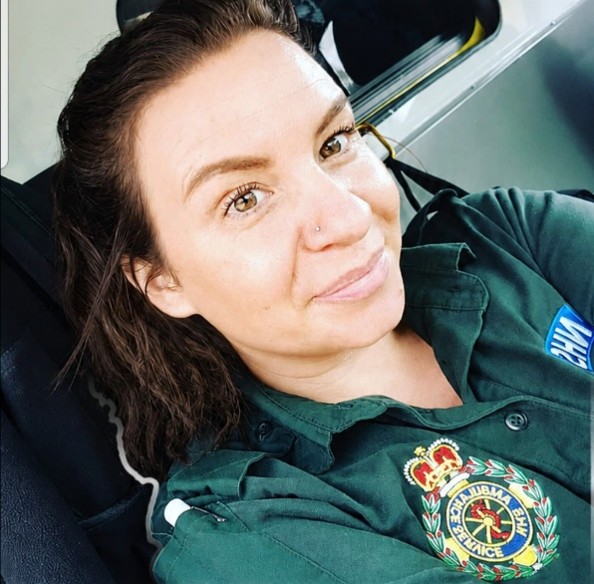
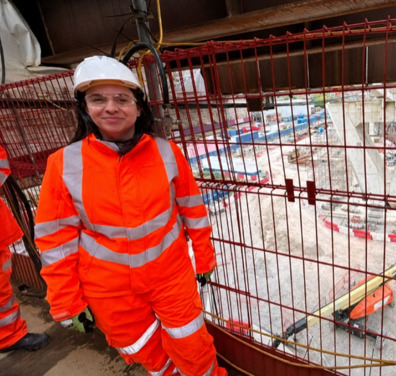 Ella Checkett is an OH Lead with a background in management, mental health, and frontline ambulance services. Ella is passionate about prevention, wellbeing, and supporting people to stay healthy in work. She is studying for the NEBOSH National General Certificate and looks forward to continuing her development through further OH training and qualifications.