

Guest blog by Dr Anna Mason, Occupational Health Physician
Early in my clinical career, I learned that neat surroundings and a courteous tone can easily hide severe suffering - and that finding the truth takes genuine clinical curiosity and a refusal to walk away.
I was clerking an elderly lady who had just been admitted to a psychiatric ward via the Accident & Emergency department. She had been brought in by her articulate, well-off family, and on the surface, the picture seemed straightforward: advanced age, severe low mood, and general frailty. But as I began her assessment, two small details set off alarm bells. First was a fleeting wince of pain across her face at the slightest movement in her wheelchair. Second was a faint, unmistakable odour of dying tissue - a smell no doctor ever forgets after their first term in the dissecting room.
I wondered how she could have passed through A&E without anyone noticing the odour, or at least questioning it enough to investigate. I insisted on a full physical examination right then and there.
When her clothes were removed, my fears were confirmed: severe, deep pressure sores across her buttocks. Her family was stunned; they had no idea what was happening beneath the surface. Social standing, financial comfort, and clean clothes often blind people to severe care failures. Untrained relatives simply do not know what to look for, missing early skin breakdown before it spirals into life-threatening sepsis.
Diagnosing the sores, however, was only the first step. Getting her proper care meant pushing past administrative hesitation and system delays. I refused to leave or accept excuses until I personally saw her transferred and settled into a specialised pressure-relieving bed. When a vulnerable patient is at risk, a doctor who trusts their clinical senses and holds their line is often the only barrier standing between that person and a preventable tragedy.
Early in my occupational health transition, I made the mistake of occasionally taking written job descriptions and HR summaries at face value, assuming management summaries told the full story. Just as A&E had missed this lady's physical breakdown because they were focused on her psychiatric presentation, I realised that relying solely on paperwork creates massive blind spots in workplace medicine.
That hospital experience directly shapes my daily practice as an independent Occupational Health Physician. What happened in that ward - looking past neat surfaces, catching hidden injuries, and pushing firmly for safety - is the exact same mindset required in modern workplace governance. Whether assessing an employee’s fitness for safety-critical roles or reviewing complex workplace hazards, we must look beyond appearances, rely on objective clinical evidence, and stand up for human dignity.
Here is how those core clinical lessons translate directly into robust workplace health governance:
- Looking Past Corporate Presentation: A tidy Human Resources referral form, an impressive company policy, or a seemingly calm office environment does not mean a workplace is safe. Clinical curiosity means looking past official statements to understand the actual physical demands, hidden psychological stressors (see the SOM guide on OH and HR supporting mental health), or strained team dynamics on the shop floor.
- Reading Unspoken Cues: During fitness-for-work assessments and statutory health surveillance, employees often mask pain, hesitation, or functional limits because they fear losing their job, status, or pension. Spotting those subtle physical cues, micro-expressions, and non-verbal signals is an essential diagnostic skill.
- Managing Workplace Pressure with Professional Integrity: Occupational health clinicians frequently sit at the high-pressure intersection between commercial targets, HR preferences, and clinical safety. When declaring someone unfit for high-risk duties or recommending workplace adjustments, our decisions must remain firm, evidence-based, and focused entirely on worker safety.
- Catching Early Danger Before Escalation: Occupational medicine is fundamentally preventative. Spotting early ergonomic risks, subtle mental health decline, or early-stage Hand-Arm Vibration Syndrome (HAVS) stops minor workplace exposures from turning into permanent disability or regulatory breaches.
Advocating for workplace health is never a passive administrative task. By sharing these reflections with the wider community, I hope to encourage both new and seasoned colleagues to trust their clinical instincts, question surface assumptions, and remain advocates for worker health.
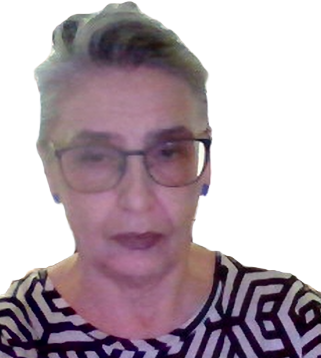 Dr Anna Mason is an Occupational Health Physician.